Induction

The term agnostic was fittingly coined by the 19th-century British scientist Thomas H. Huxley, who believed that only material phenomena were objects of exact knowledge. He made up the word from the prefix a-, meaning “without, not,” as in amoral, and the noun Gnostic. Gnostic is related to the Greek word gn?, “knowledge,” which was used by early Christian writers to mean “higher, esoteric knowledge of spiritual things”; hence, Gnostic referred to those with such knowledge. In coining the term agnostic, Huxley was considering as “Gnostics” a group of his fellow intellectuals—“ists,” as he called them— who had eagerly embraced various doctrines or theories that explained the world to their satisfaction. Because he was a “man without a rag of a label to cover himself with,” Huxley coined the term agnostic for himself, its first published use being in 1870.
Showing posts with label DREAM. Show all posts

Tuesday, December 19, 2017

in dreamed call that 2371845764 number then gonna to Che Kung Temple and Arts Center 25/11/2017

Che Kung was a military commander of the Southern Song dynasty (1127–1279) whose advantageous power for suppressing uprisings and plagues made him a household name. In popular folklore, it’s said that Che Kung escorted the Song dynasty’s last emperor on his escape to Sai Kung in what is now called the New Territories. His achievements led to him eventually becoming revered as a god.

This temple which honours Che Kung is located at Ho Chung in Sai Kung, and was built by the local community to serve the half-dozen villages in the Ho Chung valley. With feng shui woods located behind it, a river immediately in front, and well-preserved traditional design and architecture within it, it’s become one of the most auspicious traditional buildings in the New Territories.

The narrow roadway in front of the temple (which trails the river bank) was once the main route from Sai Kung market to Kowloon. It passed through the valley and then steeply up the hillside to Pik Uk and over to Kowloon City. (from Hong Kong Tourism Board http://www.discoverhongkong.com/eng/see-do/culture-heritage/chinese-temples/che-kung-temple-at-ho-chung.jsp)

Wednesday, March 22, 2017

Guān Shèng Dì Jūn Mantra《關聖帝君真言》22/3/2017

Guandi Temple
Dreamed that about gonna multi-story-high statue of Guandi Temple at Jinguashi(金瓜石) by the way and chating: Namah Guān Shèng Dì Jūn Bodhisattva-mahā-sattva(南無關聖帝君菩薩摩訶薩)

Namah Guān Shèng Dì Jūn Bodhisattva-mahā-sattva
  南無           關聖帝君               菩薩摩訶薩

Namah 南無
『歸命』、『禮敬』
Guān Shèng Dì Jūn 關聖帝君
About Guan Yu is widely referred to as "Emperor Guan" (關帝; Guāndì) and "Duke Guan" (關公; Guān Gōng), while his Taoist title is "Holy Emperor Lord Guan" (關聖帝君; Guān Shèng Dì Jūn). Temples and shrines dedicated exclusively to Guan Yu can be found across mainland China, Hong Kong, Macau, Taiwan, and other places with Chinese influence such as Vietnam, South Korea and Japan.
Bodhisattva-mahā-sattva 菩薩摩訶薩
【如來藏經語體譯釋 31】:六十恆河沙,皆悉成就大精進力,已曾供養百千億那由他諸佛,皆悉能轉不退法輪。
《梵文》意為偉大覺悟的眾生。聲聞自求覺悟之道;菩薩自覺覺他,然亦有其道果的等位高下,凡是初地以上的聖位菩薩,即被稱為菩薩摩訶薩,菩薩是覺有情(眾生),摩訶薩是大有情(眾生)。
【法華經講要 28】:菩薩(bodhi-sattva)有不同的位階,例如初發心的凡夫菩薩、三賢位的地前菩薩、登地的聖人菩薩,八地乃至十地的大菩薩。初發心凡夫菩薩只能稱為菩薩,初地以上的聖人菩薩才可以稱為菩薩摩訶薩。
菩薩是「菩提薩埵」的簡稱,意思是「覺有情」。「有情」就是眾生,「覺」有道、菩提的意思,有道心的眾生就是菩薩、菩提薩埵。摩訶薩(mahāsattva)意為「大」,乃是菩薩有別於小乘聖者的通稱。因此「菩薩摩訶薩」就是偉大的有道心的眾生,或偉大的覺有情,梵文原文為bodhi-sattva mahasattva。

Monday, March 20, 2017

Vairocana 廬舎那佛 19/3/2017

Vairocana (also Vairochana or Mahāvairocana, Sanskrit: वैरोचन, 毗盧遮那佛, or 毗盧折那佛、毗盧舍那佛、盧舍那佛、遮那佛、毘盧遮那佛、大日如來) is a celestial buddha who is often interpreted, in texts like the Flower Garland Sutra, as the Dharma Body of the historical Buddha (Siddhartha Gautama). In Chinese, Korean, and Japanese Buddhism, Vairocana is also seen as the embodiment of the Buddhist concept of Emptiness. In the conception of the Five Wisdom Buddhas of Mahayana and Vajrayana Buddhism, Vairocana is at the centre and is considered a Primordial Buddha.
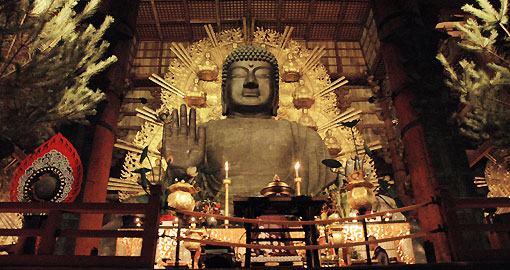
廬舎那佛 dream image as: 東大寺(Tōdai-ji, Eastern Great Temple) is a Buddhist temple complex, that was once one of the powerful Seven Great Temples, located in the city of Nara, Japan. Its Great Buddha Hall (大仏殿 Daibutsuden), houses the world's largest bronze statue of the Buddha Vairocana, known in Japanese as Daibutsu. The temple also serves as the Japanese headquarters of the Kegon school of Buddhism. The temple is a listed UNESCO World Heritage Site as one of the "Historic Monuments of Ancient Nara" in the city of Nara.

Thursday, December 29, 2016

R.I.P. dad of the Lunar 21/10/101

Dream of dad on the sofa doze.
Wake up to see the wall with fingerprint. 21/11/2016

Friday, July 22, 2016

In dreamed at shopping mall 19/7/2016

Part 1
Verse:
【卦语】:虎伏在路途,行人莫乱呼;路旁须仔细,灾祸自然无。
【释义】:虎无伤人意,人莫犯虎星。这只卧伏路途的猛虎,似睡非睡,虽然没有攻击你意思,却有潜在的危险。你这个行,可要小心翼翼,不能不呼不叫,将它惊觉。当你绕过老虎的时候,一定要将脚步放轻,再放轻。绕过了这虎星,灾祸当然就让乐避开了。 签诗告诉我,在行事的全过程中,最重要的是保密,不要张杨也去,莫乱呼就是这个意思。第二是不要惊慌,沉着稳健,仔细迅速地躲过这一关,趁对方没有清醒过来,赶快绕过去。 白虎凶神,是一束星辰的总算,=排列在每一年中的后四辰中,共有十二个凶煞时刻,这里简单介绍一下。 子年逢申,壬申月(壬七月),申日申时。丑年逢酉(八月),酉日酉时。寅逢戌,卯逢亥,辰逢子,已逢丑,午逢寅,未逢卯,申逢辰,酉逢已,戌逢午,亥逢未。 在上述年份中逢对应的月,日,时,都是大凶的,可得留神一些。

Part 2
Verse:
【诗曰】:佳音至,开笑颜,飞腾一去,披云上天,
【签释】:抽中了这支签,你可以开心地笑,尽情地乐,因为你带来的是佳音。你心想事成,马上可以实现。不论你是求职,求学,求财,求偶,无一不是上上大吉。仿佛看见你登上舷梯,就要走进波音7767的客舱。亲爱的朋友,莫非人就要出国,去大展宏图,实现生平的宏愿?这对于你还仅仅是一个开端,仅仅只是一次成功。未来的诸般滋味,千变万化,还要等着你去尝试,你应当有一个吃苦耐劳的心里准备。 

Bodhisattva Mahasthamaprapta Heart Mantra 大势至菩萨心咒 17/7/2016

Mahāsthāmaprāpta is a bodhisattva mahāsattva that represents the power of wisdom, often depicted in a trinity with Amitābha and Avalokiteśvara (Guanyin), especially in Pure Land Buddhism. His name literally means "arrival of the great strength".
Mahāsthāmaprāpta is one of the Eight Great Bodhisattvas in Mahāyāna Buddhism, along with Mañjuśrī, Samantabhadra, Avalokiteśvara, Akasagarbha, Kṣitigarbha, Maitreya and Sarvanivarana-Vishkambhin.
In Chinese Buddhism, he is usually portrayed as a woman, with a likeness similar to Avalokiteśvara. He is also one of the Japanese Thirteen Buddhas in Shingon. In Tibetan Buddhism (Tantrism), Mahāsthāmaprāpta is equated with Vajrapani, who is one of his incarnations and was known as the Protector of the Buddha.
Mahāsthāmaprāpta is one of the oldest bodhisattvas and is regarded as powerful, especially in the Pure Land school, where he takes an important role in the long Sutra of Infinite Life. He is also associated with the temple guardians Kongo Rikishi across Japan.
In the Shurangama Sutra, Mahāsthāmaprāpta tells of how he gained enlightenment through the practice of Buddha recitation, or continuous pure mindfulness of Amitābha, to obtain samādhi. In the Contemplation Sutra, Mahāsthāmaprāpta is symbolised by the moon while Avalokiteśvara is represented by the sun.
Monk Yinguang (印光), a teacher of Pure Land School, was widely considered to be a metaphorical manifestation of him after a Christian who said to have never heard of him before and a student of him dreamed of that independently. (https://en.wikipedia.org/wiki/Mahasthamaprapta)

大势至菩萨心咒
HUM VAJRA PHAT OM VAJRA CHANDA MAHA RO KHA NA HUM PHAT
   嗡      巴杂     嘿     嗡    巴杂       詹杂      摩诃    噜   呵    呐    吽      嘿
大势至菩萨真言
OM SAM JAMJAM SAH SVAHA
 唵    散     髯   髯            娑婆诃
             or 或者
NAMAH SAMANTA  BUDDHANAM SAM JAMJAM SAH SVAHA
   曩莫       三曼多             没驮南        三      髯   髯    索     莎贺
大势至菩萨,根据“观无量寿经”记载大势至菩萨以独特的智慧之光遍照世间众生,使众生能解脱血光刀兵之灾,得无上之力。
因此,大势至菩萨被认为光明智能第一,所到之处天地震动,保护众生,免受邪魔所害。
大势至:音译摩诃娑太摩钵罗钵跢。
意译作‘得大势’、‘大精进’。略称势志菩萨、势至菩萨。
此菩萨以智慧光普照一切,令众生离三涂,得无上力;
又彼行时,十方世界一切地皆震动,故称大势至。
与观世音菩萨同为西方极乐世界阿弥陀佛之胁侍,世称西方三圣。
首楞严经卷五念佛圆通章谓,大势至菩萨于因地时,以念佛心入无生忍,
故今摄此娑婆世界之念佛众生,归入净土。
又依悲华经卷三载,当阿弥陀佛入灭后,由观世音菩萨补其位;
观世音入灭后,则由大势至补处成佛,掌握化权,号善住珍宝山王如来。
(http://baike.baidu.com/view/5033160.htm)

Sunday, June 26, 2016

Wakeup sign a name 27/6/2016

〖卦语〗:一月缺,一镜缺,不团圆,无可说。
〖释义〗:世事难以两全,东坡先生曾颇有感慨地喟然长叹:"人有悲欢离合,月有阴情圆缺,此事古难全。"现实生活常常是残酷无情的。破镜重圆只能在少数艺术作品的结尾部分里显现,冷了心的观众在深深的遗憾里得到一些安慰。梁山伯和祝英台的悲怆结局里,二人终于化作彩蝶双双尺舞在花丛中,那也已经不是今生,而是来世了。镜花水月一场空,更何况月儿残镜儿缺没有团圆的可能。人们都希望能修补残缺的昨日之梦,殊不知累累的修补痕迹纵横交错点点斑斑,毫无美感可言。天涯何处无芳草?朋友打起精神抬起头,去拥抱明天光辉灿烂的朝阳。

Chris in dream 25/6/2016

〖卦语〗:山穷路转迷,水急舟难渡;万事莫强为,出处遭姑妒。
〖释义〗:此签山水相逢,困难重重,多有阴滞,乃至迷失道路,欲渡还难,你能走出这千回百转的山林吗?你能渡过这湍急的滩头,而不会翻船落水吗?以你的意志毅力和勇气是可是勉强到达,但不希望你兄这样去做,因为接近尾声的时候,人但一无所获,还必会受到奸人的阴陷使自己败得更惨,局既定不如中途罢手撤回基地另设全法,这样损失或许会小些。知不可为而为之,是一种不愿输的顽固心态实不足取迷途知返不为迷失,道迷而心不迷,归为上策,易经中「归妹」一卦象征着凶兆,对任何事都不利。所以请你回归原有的基础,等待那大吉大利的时辰,「归妹」不要朝前走了。你能丢下那使你迷失的不切实际的欲望吗?

Thursday, June 23, 2016

Ji Ji 既濟 Sign of 下離火上坎水 10/6/2016, Dreamed 17/12/2016

1. 既濟:亨,小利貞,初吉終亂。
    Ji Ji: Ji Ji intimates progress and success in small matters. There will be advantage in being firm and correct. There has been good fortune in the beginning; there may be disorder in the end.
    彖傳:既濟,亨,小者亨也。利貞,剛柔正而位當也。初吉,柔得中也。終止則亂,其道窮也。
    Tuan Zhuan: 'Ji Ji intimates progress and success:' - in small matters, that is, there will be that progress and success. 'There will be advantage in being firm and correct:' - the strong and weak (lines) are correctly arranged, each in its appropriate place. 'There has been good fortune in the beginning: - the weak (second line) is in the centre. 'In the end' there is a cessation (of effort), and 'disorder arises:' - the course (that led to rule and order) is (now) exhausted.
    象傳:水在火上,既濟;君子以思患而預防之。
    Xiang Zhuan: (The trigram representing) fire and that for water above it form Ji Ji. The superior man, in accordance with this, thinks of evil (that may come), and beforehand guards against it.
2. 初九:曳其輪,濡其尾,无咎。
    The first NINE, undivided, (shows its subject as a driver) who drags back his wheel, (or as a fox) which has wet his tail. There will be no error.
    象傳:曳其輪,義无咎也。
    Xiang Zhuan: 'He drags back his wheel:' - as we may rightly judge, there will be no mistake.
3. 六二:婦喪其茀,勿逐,七日得。
    The second SIX, divided, (shows its subject as) a wife who has lost her (carriage-)screen. There is no occasion to go in pursuit of it. In seven days she will find it.
    象傳:七日得,以中道也。
    Xiang Zhuan: 'In seven days she will find it:' - for the course pursued is that indicated by the central position (of the line).
4. 九三:高宗伐鬼方,三年克之,小人勿用。
    The third NINE, undivided, (suggests the case of) K?o ?ung, who attacked the Demon region, but was three years in subduing it. Small men should not be employed (in such enterprises).
    象傳:三年克之,憊也。
    Xiang Zhuan: 'He was three years in subduing it:' - enough to make him weary.
5. 六四:繻有衣袽,終日戒。
    The fourth SIX, divided, shows its subject with rags provided against any leak (in his boat), and on his guard all day long.
    象傳:終日戒,有所疑也。
    Xiang Zhuan: 'He is on his guard all the day:' - he is in doubt about something.
6. 九五:東鄰殺牛,不如西鄰之禴祭,實受其福。
    The fifth NINE, undivided, shows its subject (as) the neighbour in the east who slaughters an ox (for his sacrifice); but this is not equal to the (small) spring sacrifice of the neighbour in the west, whose sincerity receives the blessing.
    象傳:東鄰殺牛,不如西鄰之時也;實受其福,吉大來也。
    Xiang Zhuan: 'The slaughtering of an ox by the neighbour in the east is not equal to (the small sacrifice of) the neighbour in the west:' - because the time (in the latter case is more important and fit). 'His sincerity receives the blessing:' - good fortune comes on a great scale.
7. 上六:濡其首,厲。
    The topmost SIX, divided, shows its subject with (even) his head immersed. The position is perilous.
    象傳:濡其首厲,何可久也。
    Xiang Zhuan: 'His head is immersed; the position is perilous:' - how could such a state continue long?
     (by James Legge)

Friday, May 27, 2016

In dreamed MSG 27/5/2016

Part 1
Verse:
〖诗曰〗:三冬足,文艺精,到头处,水亦成,急急回首,勿误前程。
〖签释〗:你性格温良,为为人厚道,有一定的才能,却无权力。你于文艺技术,具一定的潜力,只要稍加努力,便会有成功的希望。冬天,是所有生物积蓄力量,以图再进的季节。以历了三冬的充实,积德养贤,不浮不躁,当然会在来春"不鸣则已,一鸣惊人"的。什么时候水到渠成呢?从立冬到冬至之间要经历小雪和大雪的节气,时间是45天左右。也就是说,将在冬至的前三天和后七天里,当可实现我的计划。签诗中的后两句,是告诫你要见好就收,不然会使自己陷入险境,误了自己的前程。上坎下艮,是为"蒙"卦。卦辞曰:"蒙,亨,匪我求童蒙,童蒙求我。初筮告,再三瀆,瀆則不告,利貞。"蒙卦,具亨通的,且有开始教化的象征。

Part 2
Verse:
〖卦语〗:目下意难舒,有客来徐徐;贪车虽历险,吝必有终与。
〖释义〗:目前的处境,仍然很艰难,因局不得舒展,人不知该向如何应付。 虽有贵人,却姗姗来迟,而且象一个普通人客人一样,晴蜓点水匆匆离去,于事无补。 你本来只有一杯酒的量可是非要下场喝那一车,你不是太贪心,不自量力而行吗?难怪险象环生,困难重重了。你想问结局怎么样?恕我直言相告,毕竟最后还是艰难的。「周易」吝字皆借为遴,《說文》:“遴,行难也。”因为难,也许会耗费些资财,当花之处还是要舍得花费,好钢用在刀刃上,恰如份。钱财一是身外之物,不便取时不要强取。贪婪从来就是祸根,即时撒手便安宁,切记,切记。

In dreamed my Classmate and Doctor 23/5/2016

Part 1
Verse:
〖诗曰〗:金鳞入手,得还防走,若论周旋,谨言缄口。
〖签释〗:你终于获得这宝贝,它金光闪闪,个大体肥,令你喜不自胜,简直得意忘形了。可是且记住--这玩意儿,你并没有真正拥有,目前还存在着走失,流失危机。发了大财,却又得而复失,一夜之间金子变成水流泻了,令人多么遗憾。有什么办法可以防范这一损失呢?这便是财不露白了。不但不以让人过目,更不以让人耳闻。那就必须紧紧闭上你的嘴巴,并且让知情人也闭上嘴。平时与人交谈,要小心谨慎不可触及这方面。拐弯抹角的话来套住你,也不要上当,不可搭腔。更要识别人家的激将法,保持冷静,一笑置之,缄,就是封闭的意思。过了一段日子,时过境迁,这些财宝才真正属于你自己。这一岁月,你将过得很平谈,难免紧张兮兮,可以选择象棋来消遣,不要做写字练书法之灯舞文弄墨的事情。因为文字是语言的另一种表达方式,极容暴露。

Part 2
Verse:
〖卦语〗:火遭水克 火灭其光 水势滔滔 源远流长。
〖释义〗:源流长的山溪,汇成滔滔的漫天洪水,铺天盖地地扑来,一下子熄灭了大火,连一星点火光和烟尘都没给留下。流年转逝,斗换星移,你生命的运程将发生一个重大的转折,你的火运已经结束,水运来临,未来的十年当中,由“水”为主体主宰着你的命运。 在未来的十年中你宜于居守下中,哪也不要去,换句话说,远行对你不利,徒劳往返劳命伤财但这并不意味着你没有财路,相反是极佳的,源远流长,来自北方的钱财势头,更大,随着其它方位的水一现汇流而入。 谈到时间对应上运旺盛于亥子丑年,也就是说1995,96,97年,其中96年为丙子年是最旺的年份,最佳月份则在农历十,十一,十二月,另外三月,四月均有短线偏财积少成多,也不要小视。 这十年中,你还将会有一个孩子出世,恭喜恭喜。

Sunday, May 1, 2016

Seizures woke: 彭適為Peng Shiwei,清雍七年(1729)文林郎知平和縣事(正七品) 14/4/2014

《彭适为》江南无锡人,文林郎知平和县事。“文林郎”是明、清时用来授正七品文官的散官名;“知平和县事”是指题匾者在平和担任知县。 相关史料记有,题匾者彭适为江南无锡人,雍正七年(1729年)至雍正十二年任平和知县。

《經義敦世》清代雍正老匾额皇帝恩诏授予“寿官”。
清代雍正年间,漳州平和县有一位年届耄耋的老寿星,不仅曾是国子监太学生,更因年高德劭获得皇帝恩诏授予的“寿官”名衔,从而获得了地方官员的赠匾。
匾额正中是手书的“经义世敦”4个烫金大字,匾上款为“文林郎知平和县事彭适为”,匾下款为“优行国子监太学生恩锡八袠寿官赖碘立”。
“文林郎”在清朝时为正七品文官所授的散官名,“知平和县事”是指他在平和(今漳州平和县)担任知县。查《平和县志》记载,彭适为江南无锡人,于清雍正七年(1729年)任平和知县。此匾当是彭适出任平和知县时所书,因此这块匾额的书写年代距今已有近300年的历史。
“优行”是指品学优良,“国子监太学生”是指在太学读书的生员。清朝时,国子监是全国最高学府与教育行政管理机构,设立在紫禁城内,相当于全国唯一的一所国立大学。在古代,进人京师国子监学习深造是件光宗耀祖的大事,肄业后还有机会被挑选做官,因此进人国子监就相当于一只脚已经步人仕途。
“八袠”是指被授匾者已经年过八十。“寿官”是指在清代养老制度中,由地方推选并经皇帝恩诏颁下,授予老人冠带的一种名誉头衔。

《七品 文林郎 征仕郎》
一,頂戴,二,蟒袍,三,補服,四,腰帶,五,坐褥。
七品 素金頂 五蟒四爪 (犀牛) 紫鴛鴦

〖卦语〗:
有田一亩 尽可耕耘 无穷收获 都在西成
〖释义〗:
田地,是你赖以生存之本也是发达,进取的本源,这就说明你所从事的行业是相对安定,无需奔波劳碌,且有边有框,规规矩矩,不出方寸,这也让人联想到美术家的画幅,文化人的稿纸,财会人机的算盘和计算机,运动竞技场,棋盘,舞台,屏幕。。。。。。。 总之,这样一类的行业对你都是适合的,辛勤耕耘,充分发挥,必有无穷收获, 但收获的楔机机遇也是一定的,那便与方位紧密相关的西方,换言之,西,是你成功的吉祥,幸运的方位,西方庚辛金。庚为阳金,辛为阴金;西方兑纳丁阴,白虎护神庇佑,划时节为秋,吉祥色彩为白,多遇女贵人帮扶,女=性则多遇男贵人资助,但有小妾(第三者)之嫌 东方文化人,每每在西方学有所成,业绩斐然,令世人刮目。西方先进的科技,也是东方文化发展的借鉴,当然不能保守地自锁心门,所以此处所谓西方,不能单纯理解为你的籍贯以西的中国本土。

Saturday, April 16, 2016

In dreamed Classmate signature the AG 12/3/2016

Part 1
Verse:
〖诗曰〗:圆又缺,缺又圆,低低密密,要周旋,时来始见缘。
Explanation:
〖签释〗:这支签也是回答有关缘份的预测。当然也不排除这经事项但都可以作一个事参照体味。"好事多磨"。此事翻来复,将会有二交以上的反复。民以不管是处于低潮,阻力层逆境,还是顺顺当当的好时候都要控制自己的情绪,用意地对待,心尽按照计划,把事情办得圆满,让所有的人都感到高兴,至少是不直接伤害任何人的利益。时间一到,姻缘就会明明白白地呈现出来,谁都高高兴兴地承认喧个事实。时间要多久呢?月儿圆又缺,缺又圆,整整一个月,不知你有没有这样的份耐心?注意谦和待人,礼数周全,紧密"盯人",控制愤怒,必获胜。

Part 2
Verse:
〖卦语〗:欲得月中兔,须凭桃李拂,高山来接引,双喜照双眉。
Explanation:
〖释义〗:要摘下天上星星,月亮,那是不可能的。可是,要得岁月中的玉兔,那也许不难办不到,只需外来的条件,甚至双喜临门也完全可能。 首先要认识一下你所追求的目标:卯为琼林,属兔,位置在正东方,月中之兔,当然是贵人一路。另外如指事情而言,主要是升学,升职的追求了。 第一个条件是风。桃枝条款摆,花枝摇曳,靠的都是风,巽如风行天下故为鸡,外表象征华丽的装饰巽属木,成事的时间在:"甲、乙、寅、卯,年、月、日、时。辰,年、月、日、时也大有希望。如投考文职方面,必有升迁。东南方向,一位草木旁姓氏的人,变助你一臂之力,或可为重要媒介。 第二个条件是山,艮为山,这个贵人在你东北方向,将成为你你的导师,或者是岳父。你的姓氏笔划中有山作偏旁,有了他的接纳指引,事情就成了。

Tuesday, March 22, 2016

Sign 1/12/2015

Part 1
Verse:
〖籤詩〗﹕休眷戀,誤前程,終鬧亂,出門庭。
Explanation:
〖簽釋〗﹕英雄氣短,兒女情長。這句話常常用來形容因情所累誤了大事,造成終生遺恨的人和事。正如一句鼓勵男兒志在四方的俗話,叫做“捨不得嬌妻,做不了漢”。當然,這“好漢”也不是人人要做。也不是非要捨得靚嬌妻,才能做條好漢。不能一概而論,這題外話,也可不談。總之,你現百所眷念的這個人,終究會要壞你的事,必須馬上離開她。如果還是執迷不悟。繼續將這種關係體保持下去,輕則影響本人的前程,嚴重地將破壞一個家庭,造成大亂,家破人亡,受到黨籍/朋黨開除,或走上法庭也未可知。這是一次嚴重的警告,也是一劑苦口良藥。地球照樣還會旋轉,太陽明天還會升起來,你說是不是呢?

Part 2

Verse:
〖卦語〗﹕秋霜肅,夏日炎,新花鮮了舊花淹。世情看冷暖,逢者不須言。
Explanation:
〖釋義〗﹕此事於夏秋之季,多不吉利。新花稀落落,舊花殘敗,正是換季之期,青黃不接之運程。這個時候,你會常常看到人家的白眼,霜臉,處處遭際冷遇,缺少朋友緣份,與早期大不相同。人情似紙,張張薄,一捅就破。曾經抬你捧你的人,如今都冷嘲熱諷,或者掉頭而去,或者隔岸觀火,漠不相關。這種時候去求告於人,簡直不要開口,既無益處,反而煩惱。是那相知的人,古道熱腸,不用你開口也會主動幫助你的,正所謂“疾風知勁草,板蕩識忠臣。”。為今之計,唯有自己救自己。萬不可因一時挫折,便心死如灰,倒了志氣。密地裡作好準諸般,養足元氣,調整體能,只待明春春雷滾動,再重新奮起。“江東子弟多豪俊,捲土重來未可知。”

Sunday, November 8, 2015

観自在菩薩真言 30/12/2014 Dream 12/8/2015, 28/12/2015

聖観音-
オン・アロリキャ・ソワカ(Om arolik svaha)
【觀世音菩薩滅業障真言】
《安樂妙寶》中說:此真言是一切蓮華部心。
能成一切三世勝法,即正觀音咒,又名滅業障咒。
「嗡。阿 噜 勒 繼 娑婆訶。」

Friday, October 23, 2015

Ghost press of fighting with the Japanese Kurata (倉田重祿). 28/12/2014

台湾総督府〔臺灣總督府〕/たいわんそうとくふ
仓田重禄:
明治三十四年1901台湾守备混成旅团/台南卫戍病院/病院附(一等军医正七勋五)
明治二十九年1896台湾守备混成第三旅团台湾守备步兵第五联队/联队附(一等军医正七勋六)

Monday, March 2, 2015

25 Tai Tsz Temple 廿五 太子廟 27/12/2014

Lot 1
Verse:
〖籤詩〗: 高聳雲衢去路難,心機用盡不能安;眼前幸有人相助,終見忠良一寸丹。
〖典故〗: < 薛禮進弓摩天嶺>
薛禮(613年-683年),字仁貴,絳州龍門(今山西河津)人,唐太宗唐高宗時期的將軍。是北魏將領薛安都六世孫,出身於河東薛氏世族。
Explanation:
【註釋】
   高聳雲衢去路難:雲衢-指高空。摩天嶺高聳入雲霄,要登上實在很困難。
心機用盡不能安:就算是用盡心機想盡辦法,還是無法得到想要的結果(想不出辦法來) 。
眼前幸有人相助:幸好眼前就有貴人來相助(上山賣弓的老頭) 。
終見忠良一寸丹:一寸丹-指心。古人謂心為方寸之地。終於看見忠誠正直的人。
【白話】
   薛仁貴攻打摩天嶺,眼看摩天嶺高入雲霄,想盡辦法不得要領,忽然看見一位賣弓的老頭,就假裝成父子上山,終於收服摩天嶺,還得到兩位忠心兄弟相助。
【籤詩斷吉凶】
    薛禮攻打摩天嶺,望山興嘆,去路難行,費盡心思,不得要領。告訴求籤人遇到困難要善用機會三思而行,有要領就可輕易達成。如遇貴人,問題有解,一路順勢。運氣:未通。一切的好壞,順乎自然。凡事:新做不可。問婚姻:反覆難成。可以借媒婆的力量來完成。出外:不吉。失物:未日在。官事:和解好。疾病:宜解祭、或更醫。六沖卦:近病、沖-好。久病、沖-死。求大命:聽天由命了。求財:財空福絕,一切籌謀都是白費心機。冬天得此籤,亥子水沖剋世爻,大勢已去,若在巳亥日問此籤,福神絕於日,辰爻財落空,希望全泡湯。

Lot 2
Verse:
〖籤詩〗: 總是前途莫心勞,求神問聖枉是多,但看雞犬日過後,不須作福事如何。
〖典故〗: 鳳嬌觀音庵問籤中奸臣計 (胡鳳嬌觀音寺行香求懺)
             武則天登基。李唐後裔皇太子李旦逃出改名馬進興流浪在胡發家做長工,胡發哥胡登死後留妻女、女鳳嬌投靠叔叔,胡妻文氏同情進興。這晚剛眠忽見祥光月老為鳳嬌和進興繫上紅線,一條金龍金光衝柴房,文氏驚醒原是場怪夢。一早當進興劈柴時右臂果然和鳳嬌一樣有硃砂痣,文氏驚喜敲定說親。幾天後進興辭行叔父要他回去,後會來接丈母娘和鳳嬌,原來前朝遺臣馬周招兵買馬準備推翻武則天,派人四處尋找太子李旦主持大局。鳳嬌等李旦時被馬迪看上不從,馬迪吃了悶虧耍賴散布謠言說進興當強盜已被官府砍頭。鳳嬌傷心欲絕,母文氏不信自認不會看錯人,決定帶鳳嬌到觀音寺問籤。參拜畢出寺門卻不見轎,小尼笑說二位有緣就在此住晚明天再下山,小尼帶母女到禪房赫見馬迪在房內。原來馬迪詭計買通小尼佈陷阱,但吉人天相母女被老佣人胡完救出觀音寺。
〖本故事的啟示〗:萬般都是命,半點不由人。
Explanation:
〖解說〗
   前途有命運安排,你只要盡其在我去努力奮鬥,不必勞心去求神問卜,那只是多枉費精神,你要解決的事,只要等待酉、戌日過了以後就會有消息的,不必再去祈福求神。這首籤詩明白告訴當事人,解決問題,唯有靠自己,光是求神問卜,是解決不了問題,雞為酉,犬為戌,故關鍵在酉戌日後,即能獲得答案。
‧求財─微利不吉,定無主意,小心經營之。
‧婚姻─平正之緣,為多培養感情可增情誼。
‧農牧─早冬可也,晚冬不佳,六畜皆可納。
‧失物─戌日者在,他日恐有失落,防再失。
‧行船─財輕微利,雖是小利應小心時者也。
‧訟事─和之為貴,意氣用事則兩敗必俱傷。
‧功名─未能成就,有益求進者再力行可也。
‧六甲─先男後女,是人生大願完成其一也。
‧經商─新業者差,舊業部分平平,順潮流。
‧出外─不可之時,因時運之未到去即失利。
‧治病─運深之時,酉戌日可不畏,悉心治。
‧家運─宅舍難居,求神護佑,作福積德善。

Got it from the Tai Tsz Temple of dream, 27/12/2014

FORM: 天雷无妄
1. ䷘无妄:元亨,利貞。其匪正有眚,不利有攸往。
    Wu Wang: Wu Wang indicates great progress and success, while there will be advantage in being firm and correct. If (its subject and his action) be not correct, he will fall into errors, and it will not be advantageous for him to move in any direction.
    彖傳: 无妄,剛自外來,而為主於內。動而健,剛中而應,大亨以正,天之命也。其匪正有眚,不利有攸往。无妄之往,何之矣?天命不佑,行矣哉?
    Tuan Zhuan: In Wu Wang we have the strong (first) line come from the outer (trigram), and become in the inner trigram lord (of the whole figure); we have (the attributes of) motive power and strength; we have the strong line (of the fifth place) in the central position, and responded to (by the weak second): - there will be 'great progress proceeding from correctness; such is the appointment of Heaven. 'If (its subject and his action) be not correct, he will fall into errors, and it will not be advantageous for him to move in any direction:' - whither can he (who thinks he is) free from all insincerity, (and yet is as here described) proceed? Can anything be done (advantageously) by him whom the (will and) appointment of Heaven do not help?
    象傳: 天下雷行,物與无妄;先王以茂對時,育萬物。
    Xiang Zhuan: The thunder rolls all under the sky, and to (every)thing there is given (its nature), free from all insincerity. The ancient kings, in accordance with this, (made their regulations) in complete accordance with the seasons, thereby nourishing all things.
2. 初九:无妄,往吉。
    The first NINE, undivided, shows its subject free from all insincerity. His advance will be accompanied with good fortune.
    象傳: 无妄之往,得志也。
    Xiang Zhuan: When 'he who is free from insincerity makes any movement,' he will get what he desires.
3. 六二:不耕獲,不菑畬,則利有攸往。
    The second SIX, divided, shows one who reaps without having ploughed (that he might reap), and gathers the produce of his third year's fields without having cultivated them the first year for that end. To such a one there will be advantage in whatever direction he may move.
    象傳: 不耕獲,未富也。
    Xiang Zhuan: 'He reaps without having ploughed:' - (the thought of) riches to be got had not risen (in his mind).
4. 六三:无妄之災,或繫之牛,行人之得,邑人之災。
    The third SIX, divided, shows calamity happening to one who is free from insincerity - as in the case of an ox that has been tied up. A passer by finds it (and carries it off), while the people in the neighbourhood have the calamity (of being accused and. apprehended).
    象傳: 行人得牛,邑人災也。
    Xiang Zhuan: 'The passer-by gets the ox:' - this proves a calamity to the people of the neighbourhood.
5. 九四:可貞,无咎。
    The fourth NINE, undivided, shows (a case) in which, if its subject can remain firm and correct, there will be no error.
    象傳: 可貞无咎,固有之也。
    Xiang Zhuan: 'If he can remain firm and correct there will be no error:' - he firmly holds fast (his correctness).
6. 九五:无妄之疾,勿藥有喜。
    The fifth NINE, undivided, shows one who is free from insincerity, and yet has fallen ill. Let him not use medicine, and he will have occasion for joy (in his recovery).
    象傳: 无妄之藥,不可試也。
    Xiang Zhuan: 'Medicine in the case of one who is free from insincerity!' - it should not be tried (at all).
7. 上九:无妄,行有眚,无攸利。
    The topmost NINE, undivided, shows its subject free from insincerity, yet sure to fall into error, if he take action. (His action) will not be advantageous in any way.
    象傳: 无妄之行,窮之災也。
    Xiang Zhuan: 'The action (in this case) of one who is free from insincerity' will occasion the calamity arising from action (when the time for it is) exhausted.
  (by James Legge)

SKILL: 山雷颐(戊子)
1. ䷚頤: 貞吉。觀頤,自求口實。
    Yi: Yi indicates that with firm correctness there will be good fortune (in what is denoted by it). We must look at what we are seeking to nourish, and by the exercise of our thoughts seek for the proper aliment.
    彖傳: 頤貞吉,養正則吉也。觀頤,觀其所養也;自求口實,觀其自養也。天地養萬物,聖人養賢,以及萬民;頤之時大矣哉!
    Tuan Zhuan: 'Yi indicates that with firm correctness there will be good fortune:' - when the nourishing is correct, there will be good fortune. 'We must look at what we are seeking to nourish:' - we must look at those whom we wish to nourish. 'We must by the exercise of our thoughts seek the proper aliment:' - we must look to our own nourishing of ourselves. Heaven and earth nourish all things. The sages nourish men of talents and virtue, by them to reach to the myriads of the people. Great is (the work intended by this) nourishing in its time!
    象傳: 山下有雷,頤;君子以慎言語,節飲食。
    Xiang Zhuan: (The trigram representing) a mountain and under it that for thunder form Yi. The superior man, in accordance with this, (enjoins) watchfulness over our words, and the temperate regulation of our eating and drinking.
2. 初九:舍爾靈龜,觀我朵頤,凶。
    The first NINE, undivided, (seems to be thus addressed), 'You leave your efficacious tortoise, and look at me till your lower jaw hangs down.' There will be evil.
    象傳: 觀我朵頤,亦不足貴也。
    Xiang Zhuan: 'You look at me till your (lower) jaw hangs down:' - (the subject of the line) is thus shown unfit to be thought noble.
3. 六二:顛頤,拂經,于丘頤,征凶。
    The second SIX, divided, shows one looking downwards for nourishment, which is contrary to what is proper; or seeking it from the height (above), advance towards which will lead to evil.
    象傳: 六二征凶,行失類也。
    Xiang Zhuan: 'The evil of advance by the subject of the second SIX, (divided),' is owing to his leaving in his movements his proper associates.
4. 六三:拂頤,貞凶,十年勿用,无攸利。
    The third SIX, divided, shows one acting contrary to the method of nourishing. However firm he may be, there will be evil. For ten years let him not take any action, (for) it will not be in any way advantageous.
    象傳: 十年勿用,道大悖也。
    Xiang Zhuan: 'For ten years let him not take any action:' - his course is greatly opposed (to what is right).
5. 六四:顛頤,吉,虎視眈眈,其欲逐逐,无咎。
    The fourth SIX, divided, shows one looking downwards for (the power to) nourish. There will be good fortune. Looking with a tiger's downward unwavering glare, and with his desire that impels him to spring after spring, he will fall into no error.
    象傳: 顛頤之吉,上施光也。
    Xiang Zhuan: 'The good fortune attached to looking downwards for (the power to) nourish,' shows how brilliant will be the diffusion (of that power) from (the subject of the line's) superior position.
6. 六五:拂經,居貞吉,不可涉大川。
    The fifth SIX, divided, shows one acting contrary to what is regular and proper; but if he abide in firmness, there will be good fortune. He should not, (however, try to) cross the great stream.
    象傳: 居貞之吉,順以從上也。
    Xiang Zhuan: 'The good fortune from abiding in firmness' is due to the docility (of the subject of the line) in following (the subject of the line) above.
7. 上九:由頤,厲吉,利涉大川。
    The sixth NINE, undivided, shows him from whom comes the nourishing. His position is perilous, but there will be good fortune. It will be advantageous to cross the great stream.
    象傳: 由頤厲吉,大有慶也。
    Xiang Zhuan: 'The good fortune, notwithstanding the peril of his position, of him from whom comes the nourishing,' affords great cause for congratulation.
  (by James Legge)

Monday, February 2, 2015

He Xiangu 何仙姑 3/9/2014

He Xiangu (meaning "Immortal Woman He") is the only female deity among the Eight Immortals figures in Daoism. She is often described as a morally pure woman, an ideal daughter, and a selfless seeker after spiritual freedom. In iconography, she is typically pictured bearing a lotus flower or a peach (of immortality). She is one of the few female deities revered as members of the Daoist pantheon.
Member of the Eight Immortals: 
He Xiangu is one of the illustrious Eight Immortals (Ba Xian), a group of Daoist/folk deities who play an important role in Chinese religion and culture. While they are famed for espousing and teaching Daoist philosophy and cultivation practices, they are also figures of popular myth and legend that are known for their devotion to the downtrodden and their collective lifestyle of “free and easy wandering.” Though they are most often depicted and described in the context of their group, each has their own particular set of tales, iconography, and areas of patronage.
(by New World Encyclopedia)

Legend: 
He Xiangu (何仙姑), also named He Qiong (何瓊). She was from Yong Prefecture (today Linglin County) during the Tang Dynasty, or from a wealthy and generous family in Zēngchéng County (增城縣), Guangdong.
At birth she had six long hairs on the crown of her head. When she was about 14 or 15, a divine personage appeared to her in a dream and instructed her to eat powdered mica, in order that her body might become etherealized and immune from death. So she swallowed it, and also vowed to remain a virgin.
Later on by slow degrees she gave up taking ordinary food.
The Empress Wu dispatched a messenger to summon her to attend at the palace, but on the way there, she disappeared.
One day during the Jinglong (景龍) period (about 707 CE), she ascended to heaven in broad daylight, and became a Xian (Taoist Immortal).
Her lotus flower improves one's health, mental and physical. She is depicted holding a lotus flower, and sometimes with the musical instrument known as Shēng, or a fènghuáng bird to accompany her. She may also carry a bamboo ladle or fly-whisk. (from Wikipedia)

Saturday, March 29, 2014

Skanda (Buddhism) 韋陀菩薩心咒 20/3/2014; saw at 20/3/2014; dreamed 7/11/2014

"Om Veda Tin Da Maha Tin Da Svaha"

據說韋馱原型是婆羅門教大自在天的兒子,天兵元帥室建陀。
韋馱原為四大天王中,南方增長天王手下八神將之一。
四大部洲中,北俱盧洲人不持佛法,而韋馱天曾親受如來咐囑,統領東勝神洲、西牛賀洲、南瞻部洲,三洲護持佛法之事項,護祐僧侶、居士,故稱「三洲感應」,號稱「三洲感應護法韋馱尊天菩薩」。
一些漢傳佛教寺院中,建有護法殿,專門供奉韋馱天。漢化韋馱天為穿戴盔甲的少年武將形象,手持法器金剛杵,或雙手合十將杵擱置肘間(表示該寺為十方叢林,接待寺),或以杵拄地(表示該寺為非接待寺)。通常置於天王殿大肚彌勒佛像背後,臉朝向大雄寶殿。
唐密傳承的韋陀菩薩護世真言Om Veda Tin Da Maha Tin Da Svaha,在日本佛教東密方面,亦有極少數阿闍梨有傳授此陀羅尼。
修持此真言可得到韋陀菩薩的護佑,降伏內心魔外天魔及一切巫術邪法,與西密的韋陀菩薩降魔心咒功德相同,並駕齊驅。
Skanda, also known as Wei Tuo, is a Mahayana bodhisattva regarded as a devoted guardian of Buddhist monasteries who guards the Buddhist teachings. He is also sometimes called in the Chinese tradition "Hufa Weituo Zuntian Pusa", meaning "Honored Dharma Protector Skanda Bodhisattva", because he is the leader of the twenty-four celestial guardian deities mentioned in the Golden Light Sutra.
In Chinese temples, Skanda faces the statue of the Buddha in the main shrine. In others, he is on the far right of the main shrine, whereas on the left is his counterpart, Sangharama (personified as the historical general Guan Yu). In Chinese sutras, his image is found at the end of the sutra, a reminder of his vow to protect and preserve the teachings.
According to legends, Skanda was the son of a virtuous king who had complete faith in Buddha's teachings. When the Buddha entered nirvana, the Buddha instructed Skanda to guard the Dharma. It was his duty to protect members of the sangha when they are disturbed by Mara, the tempter, and also to resolve conflicts amongst members of the sangha. A few days after the Buddha's passing and cremation, evil demons robbed his relics. Skanda's vow of protecting the faith and Dharma was proven when he managed to defeat the evil demons and returned the relics.
韋馱天(梵文:Skanda),佛教的知名護法神,為執金剛神之一。韋馱天的形象,一般是古代身披盔甲、手持寶杵(降魔杵)的武士。統領東,西,南三洲巡遊護法事宜,保護出家人,護持佛法,故也有人將韋馱天的形象,印在佛經與佛教典籍的末頁,以此希望得到韋馱天的護持。佛滅度後,相傳有羅剎將釋迦牟尼佛的舍利子搶回去供奉,多虧善於行走的韋馱奮力追奪回來。
(From Wikipedia維基百科)